Benefits Of Red Light Therapy For Skin
GENERAL GUIDE
12/14/20256 min read
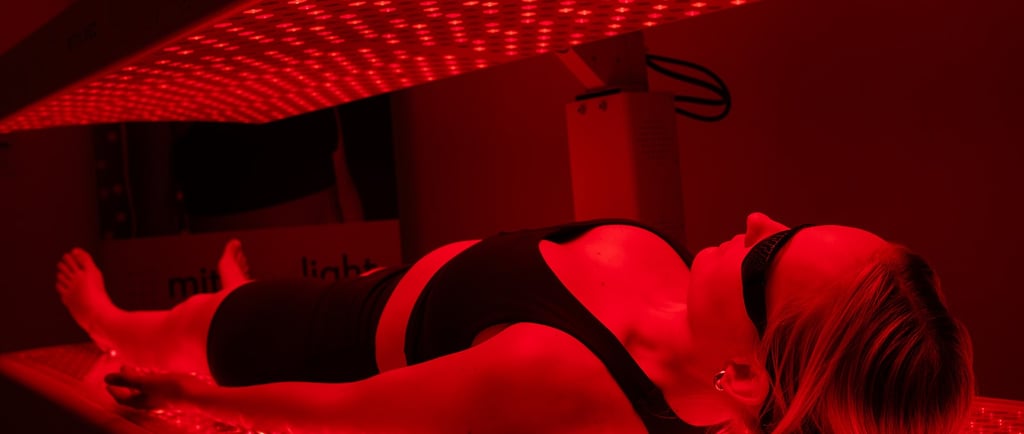
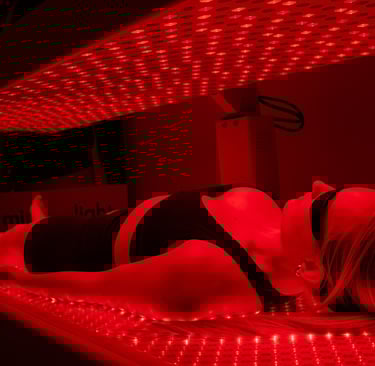
Red light therapy (RLT) has been all over social media lately. But unlike most trends, this one isn’t based on “my friend’s cousin's girlfriend tried it and swears it works.”
There’s actually good research behind it.
(This article focuses on the benefits of RLT for skin health. For an overview of other use cases, check out our Full Red Light Therapy Guide.)
People mainly use RLT to reduce lines and wrinkles, inflammation, scars, redness, uneven tone, and acne.
That’s why a lot of people eventually decide to get their own device (and possibly flex it on social media), since consistent use is the most important factor for long-term results.
In this guide, I’ll explain how red light therapy affects the skin, what kind of results people usually notice in the first few weeks, who it works best for, and which types of devices actually make sense to buy. If you are already interested and want to learn which devices actually work for your condition, feel free to skip straight to "Recommended Red Light Devices".
How Red Light Therapy Works
Red and near-infrared light help skin cells produce more energy (by stimulating the mitochondria), improve circulation, calm inflammation, and stimulate collagen-producing cells. That's why RLT has become a staple for dermatology clinics, gyms, and even at-home skincare routines.
Skin Concerns RLT Has Been Shown to Improve
Signs of skin aging
Studies consistently show that RLT can improve wrinkle depth, collagen density, skin smoothness and elasticity
Most people don’t see dramatic overnight changes, but after 8–12 weeks of steady use, skin usually looks firmer, smoother, and overall healthier.
Acne & Red, Inflamed Breakouts
RLT doesn’t kill acne bacteria the way blue light does, but it does help with the inflammation that makes breakouts swollen and painful.
You might notice calmer skin, less redness and quicker healing, as well as fewer inflamed pimples.
For best effect, you can combine red light (lowers inflammation) with blue light (kills the bacteria that cause acne).
Redness, Sensitivity & Rosacea-Related Irritation
Because red light reduces inflammatory markers, many people with reactive or easily-flushed skin notice less redness, improved barrier function and reduced sensitivity
This is one of the fastest improvements people tend to see.
Scars & Wound Healing
RLT is used in medical and clinical settings for wound healing — not just beauty.
Studies show it can help speed up healing, reduce scarring and help soften and reduce existing scars over time.
This applies to acne scars, surgical scars, and injuries. If you're dealing with any of those, you might want to combine RLT with microneedling for best effect.
Uneven Skin Tone & Post-Inflammatory Hyperpigmentation (PIH)
RLT isn’t a bleaching treatment, and it won’t replace retinoids or exfoliants.
But by calming inflammation and supporting healthier cell turnover, it can help even out your skin tone — especially PIH from acne. For dark spots, look for a device that features green light. That has been shown to help the skin break down excess melanin.
Improving Overall Skin Quality
Besides stimulating collagen production, RLT also increases microcirculation in the skin. That can show up as:
more glow
smoother texture
better hydration
faster recovery after using actives like retinoids
an overall healthier look
These usually show up within the first few weeks.
What You Actually Feel and See in the First Month
You probably won’t witness a miracle, but you might notice your skin becoming calmer, less red and more resilient, as well as slightly more plumb.
The bigger anti-aging changes take more time, similar to retinoids or peptides.
>>See devices here<<
How Often You Should Use Red Light
The sweet spot from most studies is around 10–20 minutes, 3–5 times a week.
Session marathons are unlikely to give you much additional benefit, what matters most here is consistency.
Who RLT Is Not For
As great as RLT is for a lot of people, it certainly doesn't make sense for everyone. You should probably stay away for now if you:
Won't do it consistently (duh!)
Have unrealistic expectations
Are photosensitive (check with your dermatologist)
Simply can't afford it right now
If none of those apply to you and you want to give it a shot, let's talk about the actual devices now:
Should You Buy a Home Red Light Device?
It depends. If you want RLT to work, you need regular sessions. That’s why at-home devices became so popular — you can’t rely on salon treatments once a month and expect results. However, if your local gym has a RLT device you can use, I recommend starting there. Otherwise, it's probably a good idea to get your own device for home treatments.
Recommended Red Light Devices
Unfortunately, a lot of red light devices online are either underpowered or poorly tested.
And while it might be tempting to just get a cheap one, it will likely have neither the effect nor the durability you are looking for.
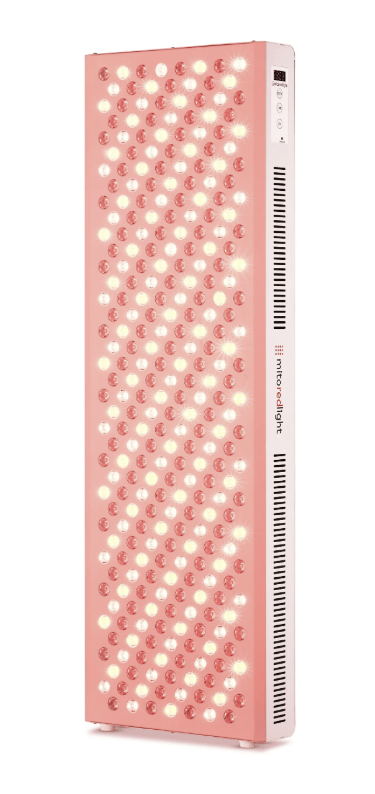
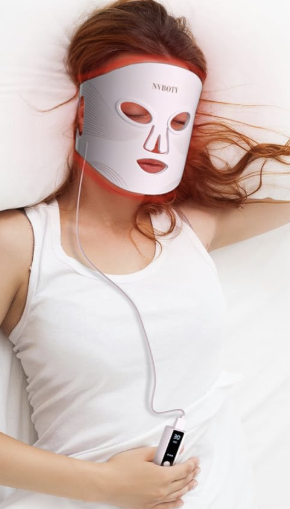
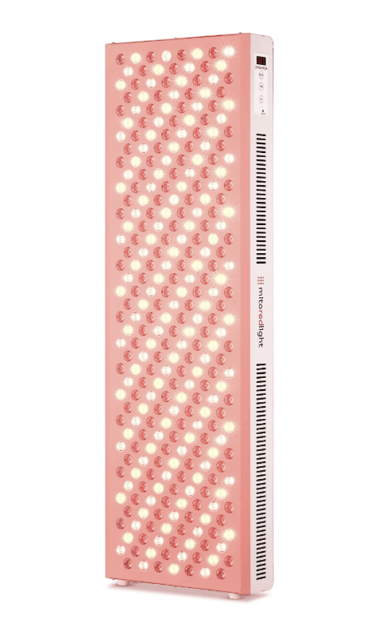
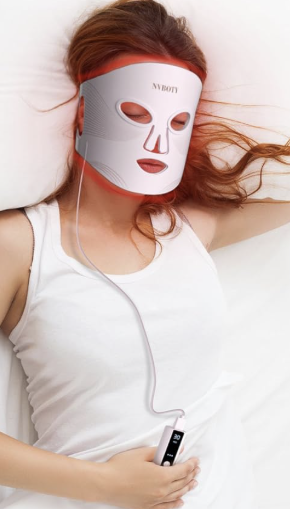
To treat your skin, the choice is basically between a panel and a face mask.
Panels are better for:
Large surface/ full body treatments
High power output for stronger effect
Durability
Whereas face masks are a great option if you want:
Facial treatments only
Lower entry price
Easy transportability
Convenient use and mobility during the sessions
Addition of blue light to treat acne
Either way, you should make sure the device you end up getting has strong wattage and wavelengths in the red and near infrared spectrum (630–670 nm and 810–850 nm). Also make sure it has been safety tested for UV emissions, ideally by a third party lab.
Below are my personal recommendations. For full transparency, note that these are affiliate links. That means that if you choose to buy through one of those links, I may receive a commission on that purchase. However, that does not increase the price for you.
Panels (Best Overall Choice)
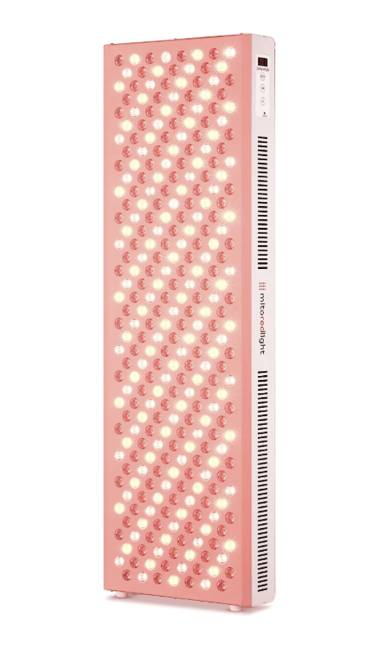
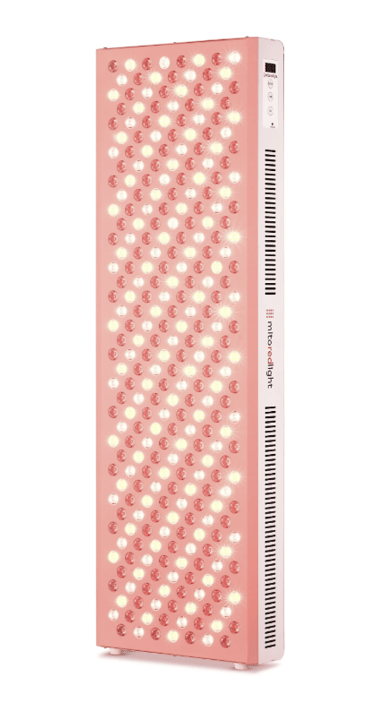
My personal pick: Mito Red Light
Mito has been on the market since 2019 and makes some of the most powerful red light panels, as confirmed by independent lab tests. They offer:
durable panels with a 3 year warranty period
very high power output, as confirmed by an ISO-accredited lab
high density of LED's, maximizing coverage
multiple spectrums of red and near-infrared light
high transparency about technical details and lab results
a 60-day no-risk trial period on all products
That makes Mito one of the best choices for a red light panel, which you can test for up to 60 days before deciding if it's worth it's price to you. I've had mine for three years now, and it's still working like it did the first day.
Face Masks
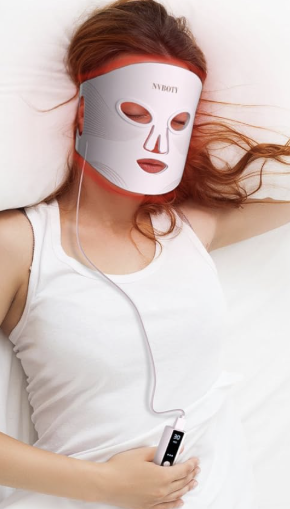
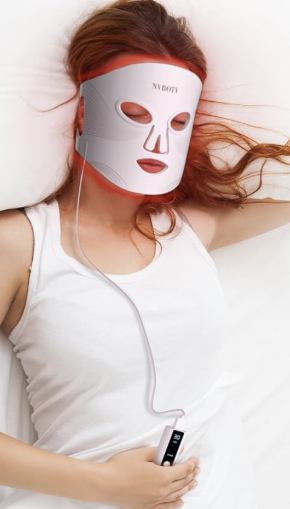
If you just want to treat your face without a big investment, face masks can be a great option for you. They are:
more affordable than panels
convenient to use
don't force you in one position for the entire session
are easy to travel with
often have blue light as well, which is great for treating acne
You can get them on Amazon, but the quality varies wildly. Make sure they have a high LED count for good coverage, high power output and also include blue light, at least if you want to use it for acne. I linked a good model below.
Who RLT Is Especially Good For
You’ll probably love RLT if you’re dealing with any of the following:
redness or sensitivity
acne
inflammation
dullness or uneven tone
early signs of aging
chronic skin irritation
slow healing
over-exfoliation
If you care more about long-term skin health than quick “treatments,” this is one of the best devices to add to your routine.
Final Thoughts
Red light therapy certainly isn't a cure-all.
But it’s one of the few skincare tools where the science is actually solid — and where people often see real improvements without irritation, without downtime, and without adding a dozen products to their routine.
If you want calmer, healthier, firmer skin over the next few months, a good red light device could be the best investment you can make. In that case, it just comes down to choosing between:
Happy sessions :-)