Red Light Therapy: What It Is, How It Works, and Why So Many People Swear by It
GENERAL GUIDE
12/1/20253 min read
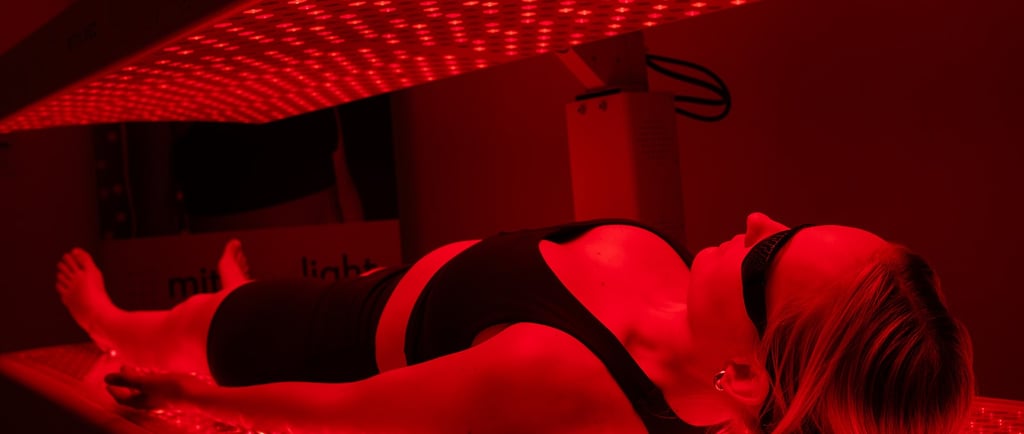
If you’ve been keeping an eye on wellness trends lately, you might have seen red light therapy (RLT) popping up everywhere—from gyms and skincare clinics to biohacking podcasts, and even in home setups.
Unlike many fads, though, this one comes with solid, peer-reviewed research to back it up.
This article aims to provide a straightforward overview of red light therapy, explaining what it is, how it works, and which benefits are supported by science. If you're curious about a specific application, don't forget to check out the in-depth articles linked within.
What Exactly Is Red Light Therapy (RLT)?
Red light therapy—often referred to as photobiomodulation (PBM)—involves the use of specific wavelengths of red and near-infrared (NIR) light to activate biological processes within your cells.
Most devices usually utilize:
Red light: ~630–670 nm
Near-infrared light: ~810–880 nm
These wavelengths can penetrate the skin and deeper tissues without causing harm. They’re not UV light, so they don’t tan or damage your skin.
Researchers emphasize that one significant mechanism at work is the interaction between red/NIR light and mitochondria, particularly an enzyme called cytochrome c oxidase. When mitochondria absorb this light, they can create more ATP (cellular energy).
Increased ATP → cells function more efficiently → quicker repair → reduced inflammation → improved tissue response to stress. That’s the gist of it.
What Are the Benefits? (Based on Current Evidence)
Here are some key areas where research shows strong and consistent findings:
1. Skin Health and Appearance
RLT has been thoroughly researched concerning skin. Multiple controlled trials have reported improvements in:
Fine lines and wrinkles
Skin texture
Redness and inflammation
Wound healing
Collagen density
The mechanism involves improved cellular energy, reduced oxidative stress, and increased collagen production in fibroblasts.
While it’s not an instant solution, noticeable improvements can come with consistent use.
2. Muscle Recovery and Performance
Athletes have their reasons for using red light therapy. Research indicates benefits like:
Less muscle soreness post-training
Faster recovery between workouts
Enhanced strength or endurance adaptations in some cases
The observed effects seem to stem from reduced inflammation and faster tissue repair rather than direct stimulation or "boosting" of muscle strength.
3. Joint & Tissue Comfort
RLT has been studied for joint pain, tendon problems, and general inflammatory issues.
Results can vary based on equipment and dosage, but numerous studies indicate:
Reduced stiffness
Decreased local inflammation
Faster healing of strained tissues
Again, it’s not a cure, but it serves as a helpful tool.
4. Hair Growth Support
Emerging studies suggest that red light—especially around 650 nm—can stimulate hair follicles in individuals facing early-stage thinning.
This area shows surprisingly positive research, particularly when compared to many topical products or supplements.
Potential mechanisms involve enhanced blood circulation, reduced inflammation around the follicle, and better energy output in follicle cells.
5. Mood and Circadian Support
Although red and near-infrared light don't function like sunlight, some studies indicate potential benefits for:
Overall mood
Sleep quality
Cognitive performance (especially when applied to the forehead)
This field is still evolving, but early findings are encouraging.
6. Faster Wound Healing
One of the initial applications of PBM was in clinical environments for wound healing.
Studies have demonstrated improvements in:
Cell proliferation
Blood vessel formation
Rate of tissue repair
This applies to minor injuries, post-surgery recovery, and even oral tissue repair (dentists are increasingly utilizing RLT).
How Often Should You Do Red Light Therapy?
One session alone doesn’t yield significant results.
However, consistent, low-stress stimulation over time can lead to measurable changes.
Most research guidelines suggest:
3–5 sessions weekly
5–15 minutes per area
Moderate intensity
RLT operates more like exercise than medication—effects accumulate over time.
Is It Safe?
For most individuals: Yes.
Red light therapy boasts one of the finest safety records in wellness technology:
It’s non-invasive
It doesn’t harm tissues
No known long-term risks with regular use
No UV exposure
Individuals with light sensitivity issues or those taking photosensitizing medications should consult a professional first, and devices shouldn’t be directed into the eyes.
Who Should Consider Trying Red Light Therapy?
RLT might be a good fit for you if you want to:
Enhance skin health naturally
Accelerate workout recovery
Increase hair density
Minimize local inflammation
Boost overall well-being and cellular function
It’s not a substitute for medical care, but it’s one of those rare “trendy” therapies that actually has solid scientific backing.